
Hard Skills Built Your Career. Soft Skills Will Keep It.
A recent LinkedIn report found that 89% of hiring managers say that when a new hire fails, it is because they lack essential soft skills. By 2026, technical knowledge alone won’t make anyone a great leader. Teams are craving something else: leaders who can listen, adapt, and guide people through constant change. These aren’t nice-to-have traits. They’re the new essential soft skills that decide whether a company grows or burns out.
Across every industry, I’ve seen the same pattern. Leaders perfect their strategies and tools but overlook the human skills that hold everything together. The teams that truly succeed are not led by the smartest person in the room, but by the one who knows how to build trust, manage emotions, and inspire action.
Across the UK, a quiet shift is happening. The NHS is training managers to lead with empathy and emotional intelligence. Unilever is investing in leadership programs focused on self-awareness and resilience. Even fast-moving tech firms like Monzo are encouraging transparency and coaching mindsets over rigid hierarchies. These companies are proving that human connection drives performance more than process ever could.
This is not a soft trend. It is a hard fact. Soft skills shape communication, reduce conflict, and help teams recover faster when things go wrong. They are what keep people engaged when challenges rise. Without them, even the best strategy or technology fails to deliver results.
In this article, we will explore the top 10 essential soft skills every UK leader will need in 2026 and how to actually develop them in your workplace. You will find real examples from inspiring organisations, my take on what separates good managers from great leaders, and simple steps to start building these habits today.
The Rise of the Human Leader

According to Deloitte, 92% of executives say that essential soft skills are just as important as technical skills, yet most leaders still spend far more time improving the latter. This imbalance has become one of the biggest risks to business performance. Leaders who ignore soft skills are now discovering that they are not “soft” at all. They are the hardest to teach and the most powerful to master.
A McKinsey study found that companies with strong people-focused cultures outperform their competitors by 20% in profitability. That performance advantage is built on essential soft skills such as empathy, collaboration, and resilience. Emotional intelligence, trust-building, and adaptability are not nice-to-have traits. They are predictors of retention, creativity, and long-term success.
I believe we have spent too long training managers to be efficient and not enough time helping them be empathetic. We taught them how to measure results but not how to build relationships. Yet every result depends on a relationship. The foundation of high performance is trust, and trust grows only when leaders practise essential soft skills every day.
So what are the skills that will truly shape leadership in 2026, and how can you strengthen them in your own workplace? Let’s explore the ten essential soft skills that every successful UK leader will need, and how to build each one in practice.
1. Emotional Intelligence 2.0 – The Skill That Holds Teams Together
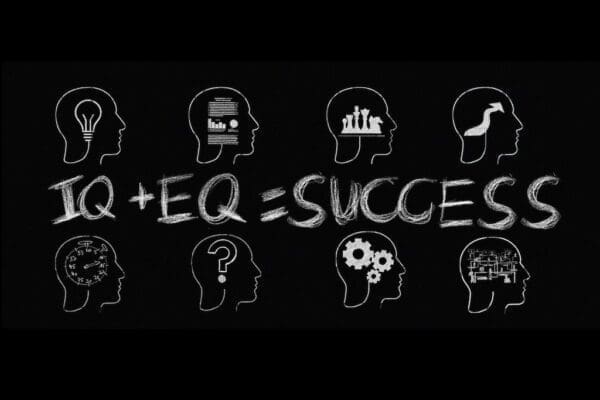
If there is one essential soft skill that defines every great leader, it is emotional intelligence. Yet it remains one of the least developed and most underestimated skills in business. Many organisations still focus on training leaders to manage projects instead of managing people’s emotions. In today’s hybrid and high-pressure workplaces, emotional intelligence has become one of the most critical essential soft skills for building trust, connection, and resilience.
Why it matters now
Emotional intelligence is no longer about being kind or agreeable. It is about creating stability and focus when things feel uncertain. In moments of change or stress, employees look for leaders who can stay calm, read the emotional tone of the team, and make decisions that balance results with empathy. A TalentSmart study found that 90% of top performers score high in emotional intelligence, while only 20% of low performers do. This proves that emotional intelligence is not a soft trait. It is one of the essential soft skills that drives measurable outcomes such as retention, engagement, and trust.
When Satya Nadella became CEO of Microsoft, he inherited a culture known for internal competition. His first priority was not a new product or process but empathy. He encouraged curiosity, vulnerability, and listening as core leadership habits. Managers began to focus on understanding, not judging. This shift brought psychological safety, boosted collaboration, and reawakened innovation. Within five years, Microsoft’s profits more than tripled. Nadella’s success proved that mastering essential soft skills like empathy and emotional awareness can completely transform performance.
Our Sticky Learning ® method is 7x more effective than 1-day training courses. Plus, we deliver a Chain of Evidence report proving your Return on Investment. Discover Soft Skills Training that changes behaviours long-term.

How to develop it
Emotional intelligence is not learned in a one-time workshop. It grows through consistent reflection and daily habits that strengthen awareness and emotional control. To develop this and other essential soft skills, start with these practical steps:
- Run emotion check-ins. Begin meetings by asking your team to share one word describing how they feel. It helps normalise emotional language and shows that feelings matter at work.
- Use the pause principle. When you feel frustrated, take ten seconds before responding. This small pause teaches emotional regulation, one of the most valuable essential soft skills in leadership.
- Track emotional impact. After major meetings, reflect by asking, “What emotion did I leave behind in this room?” Connecting outcomes to emotions builds self-awareness.
- Model vulnerability. Admit when you are uncertain or under pressure. This signals safety and gives others permission to be honest too, a vital part of developing collective essential soft skills.
I once worked with a manager who tracked every task perfectly but never noticed how drained the team felt. We met every goal, but motivation faded quietly. That experience taught me that emotional intelligence does not just make work pleasant; it makes it sustainable. It is the foundation on which all other essential soft skills are built.
2. Adaptive Thinking – Thriving Amid Uncertainty
If emotional intelligence helps leaders read people, adaptive thinking helps them read situations. It is one of the most essential soft skills for modern leadership because almost nothing goes according to plan anymore. Markets shift overnight, teams are hybrid, and entire industries evolve faster than strategy documents can be updated. The leaders who thrive are not the ones who predict perfectly but the ones who pivot gracefully.
Why it matters now
Adaptive thinking means staying calm, curious, and flexible in the face of surprise. It is not only about reacting quickly but also about learning quickly. McKinsey research shows that companies led by adaptive leaders are 2.5 times more likely to outperform peers in new markets. This proves that adaptability is one of the most profitable essential soft skills a leader can develop.
Unilever’s “Future Fit” programme trains leaders through fast-paced simulations where situations change every hour. Participants must make decisions with incomplete information and then adjust when the scenario shifts. This hands-on training develops essential soft skills such as agility, critical thinking, and collaboration. It is a big reason Unilever was able to pivot successfully during the pandemic and emerge stronger.
What great leaders are doing
Forward-thinking organisations are now treating adaptability as a teachable skill rather than a personality trait. At AstraZeneca, senior leaders run “decision sprints,” testing multiple strategies at once instead of committing to a single rigid plan. This builds comfort with uncertainty and nurtures adaptability, one of the key essential soft skills in resilient teams.
At BT, project teams hold short “pre-mortems” before launching initiatives to discuss what might go wrong and how to respond. This proactive method strengthens communication and problem-solving, both critical essential soft skills for modern leadership.
How to develop it
To become more adaptive, leaders need to make flexibility part of everyday work, not just something used in crises. These small practices can help develop adaptability and other essential soft skills:
- Run what-if drills. Choose a major project each month and ask, “What if this fails?” Brainstorm backup plans. This reduces fear and builds calm confidence.
- Hold think-aloud debriefs. After important decisions, reflect as a team on what changed and why. Learning from reflection strengthens adaptability.
- Rotate responsibilities. Let team members switch roles for short periods. This builds perspective, empathy, and collaborative essential soft skills.
- Reward learning, not just results. Publicly recognise people who adjusted quickly when plans changed. It sends the message that learning is valued over perfection.
3. Radical Transparency – Building Trust Through Honesty

Trust has become the most valuable currency in leadership. It takes months to build and seconds to lose. Radical transparency is one of the essential soft skills that rebuilds trust from the inside out. It means sharing information openly, explaining the “why” behind decisions, and inviting your team to see how choices are made, even when those choices are difficult.
Trust grows in layers, what psychologists call the trust model: reliability, honesty, competence, and care. Radical transparency strengthens each of these layers. When leaders communicate openly, they show reliability, they do what they say and keep people informed, even when plans shift. When they admit mistakes, they show honesty, proving that truth matters more than image. When they explain decisions clearly and follow through on promises, they show competence, which gives teams confidence that their leader knows what they’re doing. And when they take time to listen, respond with empathy, and put people first, they demonstrate care, the layer that turns respect into real loyalty.
Why it matters now
In the past, information flowed from the top down. Today, that model no longer works. Employees expect honesty, not filtered updates. They want to understand how decisions affect them and to be treated as partners, not followers. Research from Edelman’s Trust Barometer shows that 77% of employees expect their leaders to speak honestly about challenges, not just successes.
Developing essential soft skills like transparency and empathy helps leaders prevent silence and fear from spreading through teams. Transparency is not about telling everyone everything. It is about creating clarity instead of confusion. It removes the mental load of guessing what leaders are thinking, which allows people to focus on progress, not politics.
What great leaders are doing
Several UK companies have made transparency a core part of their leadership culture because they understand that it strengthens every other essential soft skill.
At Monzo, the digital bank, salary bands are published online so employees know exactly what fair pay looks like. The company also shares real-time updates on goals, setbacks, and priorities through open Slack channels. This level of honesty builds ownership and mutual respect. People feel trusted, so they act responsibly.
At BrewDog, leaders run monthly “Ask Anything” town halls where any employee can ask questions without restriction. These conversations can be tough, but they build accountability, courage, and trust, three essential soft skills that make collaboration stronger. Even when employees disagree, they feel valued for being part of the discussion.
I once worked with a company where leadership only spoke when results were good. When things went wrong, silence followed. That silence made people anxious and disconnected. Practising essential soft skills like transparency and empathy would have kept morale alive, even during hard times.
How to develop it
Becoming a transparent leader takes courage and structure. It is not a one-time gesture; it is a daily practice built on essential soft skills like communication, trust, and self-awareness. Try these practical steps:
- Start with context, not perfection. When announcing a change, explain why before what. People accept decisions better when they understand your reasoning.
- Host monthly open sessions. Allow honest dialogue and invite questions. Admitting that you do not have all the answers shows confidence, not weakness.
- Share both wins and lessons. Celebrate success, but also share what did not work. Turning mistakes into learning moments is an essential soft skill that builds psychological safety.
- Visualise progress. Create simple, visible dashboards or updates that show how the team is tracking toward goals. Transparency works best when information is easy to access.
4. Coaching Mindset – From Manager to Multiplier

For decades, managers were told their job was to control, correct, and coordinate. But control no longer works in modern workplaces. Today’s best leaders do not manage tasks; they grow people. The coaching mindset has become one of the most essential soft skills because it transforms leadership from instruction to empowerment.
Why it matters now
Most employees already know what to do. They need leaders who help them discover how to do it better. A coaching mindset shifts focus from giving answers to asking questions. It encourages ownership, confidence, and accountability, all essential soft skills that drive long-term success more effectively than micromanagement ever could.
A Gallup study found that teams with coaching-focused managers are 21% more productive and 31% more engaged. Coaching builds relationships based on trust and curiosity instead of authority and fear. When leaders adopt this approach, teams become more resilient, creative, and self-sufficient.
What great leaders are doing
Google learned this lesson through Project Oxygen. When the company studied what made its best managers effective, the top quality was not technical expertise, it was coaching. Their best leaders didn’t rush to fix problems. They asked questions like, “What options have you considered?” or “What support would help you move forward?” That single shift built one of the strongest cultures of empowerment in the tech world.
BetterUp, a leadership development platform used by global brands like Hilton and NASA, built internal “coaching circles” where managers coach one another monthly. They share real challenges and practice active listening, empathy, and accountability, a trio of essential soft skills that elevate leadership quality at every level.
How to develop it
Shifting to a coaching mindset takes deliberate effort and self-control. It requires patience, curiosity, and strong emotional intelligence, all part of the essential soft skills set that defines modern leadership. Here are practical ways to build it:
- Ask before advising. When someone presents a problem, respond with “What do you think the next step could be?” This encourages ownership and helps people develop problem-solving skills.
- Listen longer than feels natural. Most leaders reply too quickly. Try pausing for two seconds before speaking. It signals genuine listening and allows others to process their ideas.
- Replace evaluations with reflections. End meetings with “What did we learn?” rather than “What went wrong?” It keeps the focus on growth instead of blame.
- Use micro-coaching moments. Coaching does not need to happen in a meeting room. Use short conversations, messages, or follow-ups to guide people toward clarity in real time.
5. Cultural Intelligence – The Currency of Global Teams

Modern teams are no longer sitting in the same building. They are spread across cities, time zones, and backgrounds. That mix can either create friction or fuel creativity. Cultural intelligence, the ability to understand, respect, and adapt to different perspectives, has become one of the most essential soft skills for leaders in 2026.
Why it matters now
When people from different cultures work together, misunderstandings can happen easily. Tone, timing, humour, and even how people express disagreement can vary widely. Without cultural intelligence, a well-meant comment can sound offensive, and a strong idea might be ignored simply because it was delivered differently.
Cultural intelligence combines several essential soft skills, empathy, adaptability, and curiosity. It helps leaders see beyond their own habits and manage teams with awareness instead of assumptions. A Harvard Business Review study found that culturally diverse teams are 35% more likely to outperform homogenous ones, but only when guided by inclusive leadership. The difference between chaos and creativity lies in how well leaders use these skills to bring people together.
What great leaders are doing
HSBC has long been known for building multicultural teams, but what makes them stand out is how they prepare leaders for it. Before international assignments, managers attend “culture immersion” workshops that simulate real business scenarios across regions. Leaders learn not just etiquette but how hierarchy, communication, and decision-making differ from country to country. This practical approach helps turn potential friction into fluency.
At AstraZeneca, senior leaders take part in a reverse-mentoring programme that pairs them with younger employees from other regions. For six months, these mentors teach how culture shapes collaboration and innovation. The result is stronger empathy, better teamwork, and new ideas that might never have surfaced otherwise. This is a great example of essential soft skills in action: learning, humility, and empathy combined to strengthen leadership.
How to develop it
Building cultural intelligence is not about memorising customs or holidays. It is about developing the essential soft skills that allow you to listen, learn, and adapt. Here are ways to build it intentionally:
- Run culture sprints. Form short-term mixed teams to tackle projects together. Encourage everyone to share how they approach planning and decision-making. It helps uncover different but valuable ways of working.
- Ask before assuming. When something feels off, ask how others prefer to communicate or give feedback. Curiosity solves more conflicts than correction.
- Create cross-team shadowing. Let team members sit in on meetings from other regions. Observing real interactions builds awareness faster than training slides ever can.
- Celebrate local wins. Highlight achievements from different offices or countries during team updates. Recognition builds connection across borders and reminds everyone they are part of one shared mission.
- Reflect on your own biases. Keep a short journal of moments when you feel frustrated or surprised by another approach. Awareness of your reactions is the first step to managing them.
6. Digital Empathy – Leading Humans Through Screens

When work moved online, something subtle went missing: warmth. In a virtual world, it is harder to read faces, feel energy, or notice when someone is struggling. That is why digital empathy has become one of the most essential soft skills for modern leaders. It allows people to connect, care, and communicate effectively even without being in the same room.
Why it matters now
Many teams today are hybrid or fully remote. Messages travel faster, but feelings do not. Without nonverbal cues, misunderstandings multiply. A short message meant to be efficient can sound cold, and a delayed reply can feel like disinterest. According to Microsoft’s Work Trend Index, 54% of employees feel “digitally exhausted,” and many say their managers do not notice when they are overwhelmed.
Developing essential soft skills like digital empathy helps close that gap. It gives leaders the awareness to pick up on tone, energy, and unspoken emotions even through a screen. It also helps them lead with patience and care, which improves morale, engagement, and performance.
What great leaders are doing
Shopify has made digital empathy a standard leadership practice. Every team call begins with a “pulse check,” where members quickly share how they are feeling or rate their energy level. If the team seems tired or distracted, leaders adapt on the spot by shortening meetings or shifting tone. This small, consistent act shows awareness, one of the most overlooked essential soft skills in remote management.
At PwC, leaders are trained in “camera-on warmth,” a program that focuses on maintaining eye contact, using natural tone, and listening attentively online. Managers learn to pause more, ask how people are doing, and acknowledge emotions. This approach has improved virtual engagement and strengthened trust, both key essential soft skills for long-term collaboration.
I once worked with a manager who responded to emails with one-word answers. She did not mean to sound dismissive; she was simply busy. When she started adding one short line of acknowledgement, such as “I really appreciate how quickly you handled this,” her team’s feedback scores improved immediately. It was a reminder that the smallest expressions of empathy often have the biggest impact.
How to develop it
Building digital empathy means developing a stronger set of essential soft skills that bring humanity back into digital communication. Try these habits to strengthen it:
- Add a human sentence. Every message should include one line that recognises effort, emotion, or context. Phrases like “Thanks for catching that” or “Hope your week is going well” show presence and warmth.
- Personalise recognition. Celebrate great work in personal ways. A short voice note or video message feels far more sincere than a generic group email.
- Protect focus and well-being. Design no-meeting hours to reduce fatigue. Empathy also means giving people uninterrupted time to recharge and think.
- Turn cameras into conversations. In virtual meetings, invite reactions after key points. Silence does not always mean agreement, so give space for reflection and honest input.
- Check in, not check up. Ask “How are you doing this week?” instead of “What’s the update?” It keeps relationships grounded in care, not control.
7. Conflict Agility – Turning Tension Into Innovation

Most people see conflict as something to avoid. Great leaders see it as something to guide. Conflict agility is one of the most essential soft skills because it helps leaders turn disagreement into progress rather than silence or resentment.
Why it matters now
Innovation depends on healthy conflict. Teams that avoid disagreement also avoid growth. The best ideas often appear when people challenge each other with honesty and respect. Yet many leaders still shy away from it because they confuse conflict with chaos.
Research from Harvard Business School shows that teams with open, well-managed conflict consistently outperform those that stay quiet. Conflict agility blends several essential soft skills, empathy, communication, and self-regulation, to help leaders manage tension in a way that strengthens, rather than breaks, relationships.
When leaders apply these skills well, disagreement becomes a creative force. People stop holding back and start speaking up, knowing that their voices will be heard and valued.
What great leaders are doing
At Atlassian, conflict agility is part of the company’s DNA. Teams follow the “Disagree and Commit” approach. They are encouraged to challenge ideas fully, then align behind one decision once the discussion ends. This process builds trust and focus, showing how essential soft skills like listening and adaptability drive collaboration.
Pixar uses a similar method through its “Braintrust” meetings. Filmmakers share unfinished work and receive open, honest feedback from peers. Criticism is direct but never personal. This practice works because leaders model humility and psychological safety, two essential soft skills that turn feedback into creativity instead of fear.
I once coached a team where everyone was polite but quiet. Deadlines were met, but creativity was flat. When the leader introduced structured debates during project planning, energy and innovation suddenly increased. Conflict was never the real problem. The absence of essential soft skills, like openness, emotional control, and curiosity — was.
How to develop it
Building conflict agility means improving your ability to host disagreement with respect and purpose. It relies on a blend of essential soft skills that include communication, empathy, and self-awareness. Try these approaches:
- Set clear ground rules. Let your team know that debate is part of progress, not disrespect. Encourage people to challenge ideas, not individuals.
- Use a rotating devil’s advocate. Assign one person each meeting to question assumptions. This normalises dissent and helps teams practise critical thinking.
- Model calm disagreement. When you are challenged, thank the person and ask questions. Curiosity under pressure is one of the most valuable essential soft skills you can demonstrate.
- Reframe conflict as discovery. Start discussions with, “What can we learn from our different opinions?” This shifts focus from competition to collaboration.
8. Self-Awareness and Regulation – The Inner Work of Outer Impact

Real leadership starts from within. Self-awareness and emotional control are two essential soft skills that guide every decision and conversation. You cannot lead others well if you do not understand yourself first. Knowing your emotions, triggers, and thoughts, and learning how to manage them, helps you stay calm and clear. When you are steady, the people around you feel steady too.
Why it matters now
Modern leaders work under pressure, and every word or reaction matters. Teams often copy their leader’s mood and energy. When a leader stays calm, the team feels safe. When a leader is tense, stress spreads quickly. Building self-awareness and emotional control, which are key essential soft skills, helps leaders notice their feelings early and choose how to respond instead of reacting without thought.
A study from the Korn Ferry Institute found that leaders who score high in emotional self-awareness are 33% more likely to be rated as effective by their teams. Self-awareness improves communication, strengthens trust, and prevents burnout by teaching leaders to pause before reacting. It also supports other essential soft skills such as empathy, patience, and adaptability.
What great leaders are doing
At Patagonia, mindfulness and reflection are built into leadership development. Executives attend retreats that include quiet time in nature and guided self-reflection sessions. These moments help them slow down, reconnect with their values, and make more grounded decisions. This focus on reflection and balance is a core part of their essential soft skills training.
The NHS Leadership Academy has also made emotional regulation a priority. Senior managers participate in resilience programmes that teach them how to identify early signs of stress and use practical grounding techniques. The result has been lower burnout levels and better communication within high-pressure teams. These programmes prove that emotional regulation and awareness are not just personal strengths but critical, essential soft skills for sustainable leadership.
How to develop it
Self-awareness and regulation grow through reflection, feedback, and consistency. To strengthen these essential soft skills, start small and stay consistent.
- Keep a trigger journal. For one week, write down moments when you felt irritated, defensive, or drained. Note what caused them and how you reacted. Patterns will appear that help you understand your emotional triggers.
- Practice the pause. Before replying in a tense moment, take one deep breath. That small pause gives you time to respond thoughtfully rather than react emotionally.
- Schedule reflection breaks. Block ten minutes after major meetings to reflect on what went well, what felt stressful, and how your energy affected others.
- End your day with a reset. Write down one thing you handled well and one thing you could improve tomorrow. Reflection at the end of the day builds emotional control and resilience.
9. Storytelling for Influence – Data Tells, Stories Sell

Facts inform people, but stories move them. Storytelling is one of the most essential soft skills that turns leadership communication from information into inspiration. It gives data meaning, gives strategy direction, and connects emotion with action. When leaders tell stories that make people care, they build motivation that lasts far beyond a presentation or meeting.
Why it matters now
We live in a time of information overload. Leaders share reports, dashboards, and updates every day, but most of it is quickly forgotten. What people remember are the stories behind the numbers. Storytelling connects logic with feeling, which is what actually drives behaviour. It is one of those essential soft skills that bridge strategy and humanity.
A Stanford study found that stories are twenty-two times more memorable than facts alone. The most effective leaders know that data explains what happened, but stories explain why it matters. Mastering storytelling means mastering several essential soft skills at once, including empathy, emotional intelligence, and active listening.
What great leaders are doing
At John Lewis Partnership, storytelling is a key part of how leaders communicate. Instead of focusing only on numbers, they share real stories from customers and staff on the shop floor. These stories show how small acts of kindness or teamwork can make a big difference in someone’s day. This regular use of storytelling helps keep the company’s values and culture alive through real examples. It also shows strong essential soft skills like empathy and communication in action.
In the UK, Tesco also trains its managers to use storytelling. Leaders learn to tell short, true stories from their teams that reflect company values, such as an employee going the extra mile to help a customer. These simple stories shape culture more effectively than rules or policies. Storytelling, combined with empathy, honesty, and clarity, brings strategy to life and builds important, essential soft skills across the company.
How to develop it
Storytelling may sound natural, but it is a skill you can train just like any other. To build this and other essential soft skills, start with intention and reflection.
- Build a story vault. Keep a running list of stories from your team, clients, or customers that demonstrate your company’s values. Refer to them during meetings, presentations, and onboarding sessions.
- Follow the SEE formula. Structure stories around Situation, Emotion, and Effect. This helps you focus on what happened, how it felt, and what changed.
- Use storytelling in feedback. Replace general praise with specific stories that show impact. For example, “When you solved that issue for the client, you showed what reliability looks like in action.”
- Add emotion to information. In reports or updates, include one sentence that connects the data to a person or outcome. It shows emotional intelligence, which is one of the most valuable essential soft skills in leadership.
10. Ethical Foresight – Leading Beyond Profit
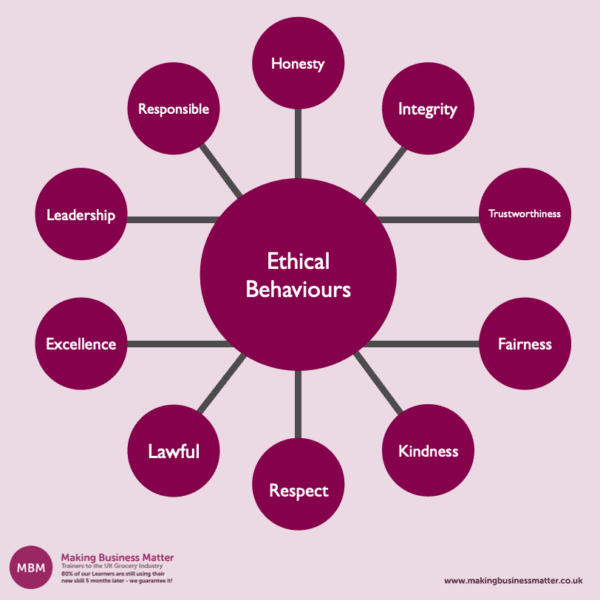
The best leaders are not only focused on what works today. They are thinking about what will still feel right tomorrow. Ethical foresight is one of the most essential soft skills because it helps leaders make choices that last. It is the ability to pause before acting, to ask who benefits, who is affected, and what kind of impact those choices will leave behind.
Why it matters now
In today’s transparent world, every decision can be seen, shared, and judged in seconds. Employees, customers, and investors are all asking tougher questions about integrity, fairness, and sustainability. Ethical foresight helps leaders make decisions that align with their values while still driving performance. It is one of the essential soft skills that transforms leadership from operational to purposeful.
A survey by PwC found that 79% of consumers are more loyal to companies that act responsibly, while 86% of employees want their employer’s values to match their own. Ethical decision-making is not just about reputation; it is now a measurable advantage. Developing ethical foresight strengthens other essential soft skills such as empathy, accountability, and long-term thinking.
What great leaders are doing
At The Body Shop, ethical foresight is part of everyday work. The company uses an Open Hiring policy, which lets anyone apply for entry-level jobs without background checks or interviews. People are hired based on trust and then trained for skill later. This shows strong essential soft skills such as fairness, inclusion, and respect. It also proves that good values can lead to good business results.
Unilever also teaches ethical foresight in its leadership programs. Managers are asked to check every big decision by asking three questions: Is it fair? Is it sustainable? Is it true to our purpose? These questions help leaders think carefully before acting. This habit has made Unilever’s brand stronger and built loyalty among employees who want to work for honest and responsible companies.
How to develop it
Ethical foresight grows through reflection, awareness, and courage. Building this and other essential soft skills helps leaders create organisations that stand for something meaningful.
- Make ethics part of every meeting. Add a short discussion about values or impact to weekly or monthly meetings. It keeps integrity visible.
- Ask the ripple question. Before approving a plan, ask, “Who will this affect, and how will it feel to them?” This habit strengthens empathy and foresight.
- Recognise ethical actions. Publicly thank team members who speak up or make responsible choices, even when it slows things down. Rewarding integrity builds trust.
- Stay informed. Keep learning about sustainability, inclusion, and governance. Awareness is one of the most important essential soft skills for ethical leadership.
Conclusion – The Future Belongs to the Human Leader
The workplace is changing faster than ever, but one truth is becoming clearer each year: the most successful leaders are the most human. Technical skill may open the door, but it is essential soft skills that keep teams walking through it.
Leaders who listen, adapt, and care are not just managing performance. They are shaping the culture that drives it. Emotional intelligence, empathy, adaptability, and ethics are no longer optional traits. They are the foundation of modern leadership. They help people trust, collaborate, and stay engaged when everything else feels uncertain.
So before your next meeting, ask yourself one question:
Which soft skill will I practice today?